Phosphor bronzes are wrought copper-tin alloys deoxidised with phosphorus. For the grades most often requested, tin content is the main variable that engineers use to move between formability and hardness.
How tin changes behaviour
In general, increasing tin raises strength, hardness and wear resistance and reduces cold formability. That is why C51000 (about 5% tin) is the usual choice for formed and spring parts, while C52100 (about 8% tin) is chosen for harder, more wear-resistant parts.
- C51000 – general purpose; best balance of formability and strength.
- C51900 – about 6% tin; more strength and wear resistance than C51000.
- C52100 – about 8% tin; hardest of the common wrought phosphor bronzes, less formable.
- C54400 – contains lead for free-cutting machinability; not for severe forming or lead-restricted use.
Temper and product form matter
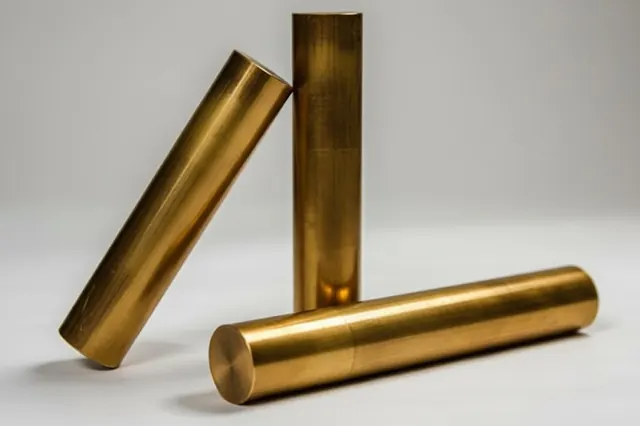
Cold working raises strength, so properties depend heavily on temper and product form (rod, plate, sheet or strip). Values should never be compared between grades without matching temper and specification.
Choosing a grade
Start from the function: spring or formed part, wear surface or high-volume turned part. Then confirm environment, required specification and documentation. A short inquiry with drawing and application is the quickest way to narrow the choice.
General information only. Verify grades, properties and specifications against the current standards and your project requirements before relying on this article.